
What this guide can help with
Early kitten care supports physical health and helps the kitten learn that handling, carriers and new experiences can be safe.
Every pet is different. A veterinary examination remains the best way to understand symptoms and decide whether waiting is appropriate.
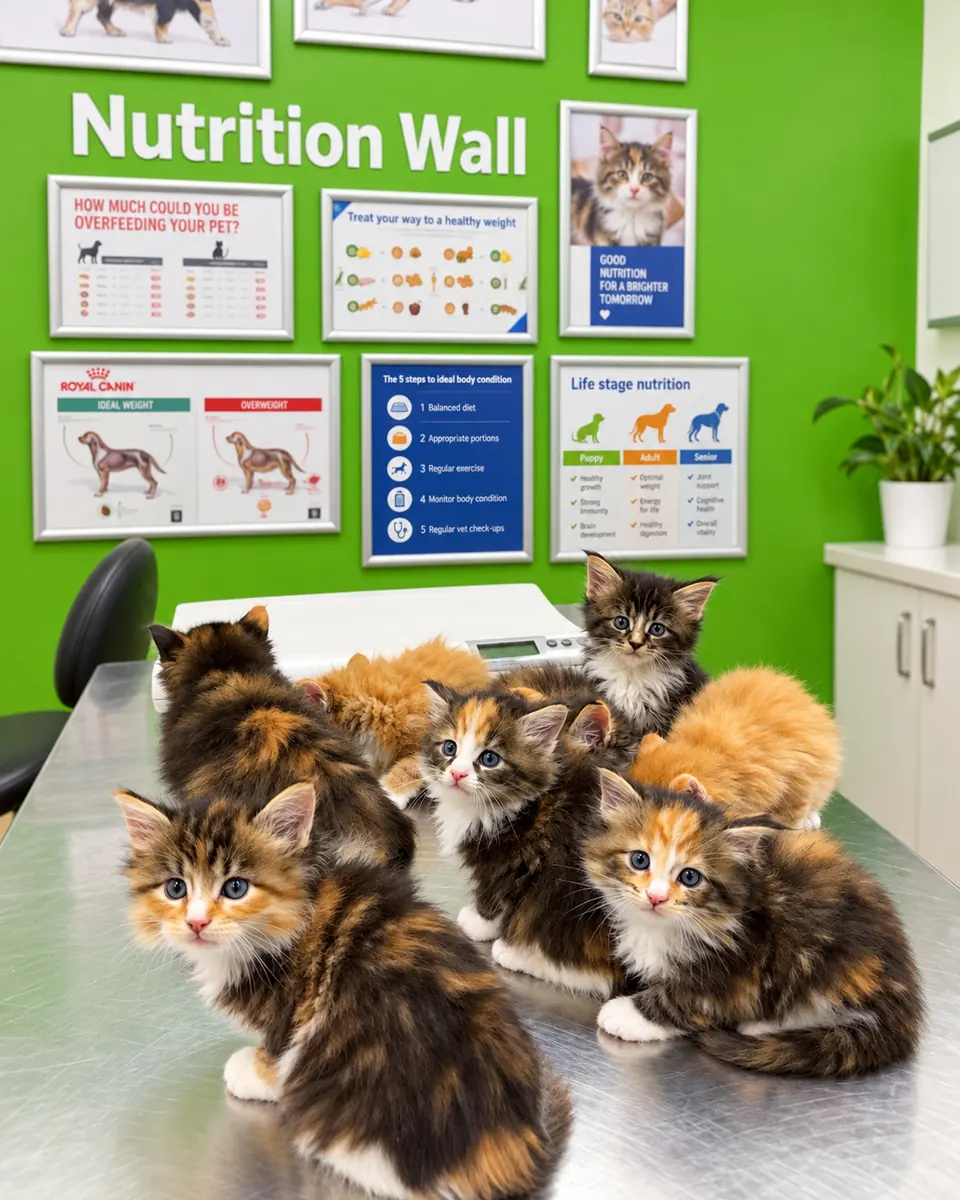
Early kitten visits are a chance to support health and confidence
These appointments can cover prevention, nutrition, behaviour, litter habits and the small changes that matter as your kitten grows.
Key points
- Arrange an early examination and bring previous records.
- Vaccination and parasite prevention should reflect age, health, household, travel and exposure risk.
- Provide enough litter trays, safe hiding areas, scratching options, play and separated resources.
- Discuss microchipping, nutrition, dental care and desexing timing.
Helpful things to do at home
- Leave the carrier open at home with familiar bedding and rewards.
- Use short play sessions and avoid using hands as toys.
- Offer clean litter trays in quiet, accessible locations.
- Introduce mouth, paw and ear handling gradually.
When to book an appointment
- New kitten examination
- Vaccination and microchipping
- Poor appetite, diarrhoea, sneezing, eye discharge, itching or failure to gain weight
Seek urgent veterinary advice for
- Difficulty breathing
- Repeated vomiting, marked weakness or collapse
- Straining to urinate with little or no urine
- Suspected poison exposure
What may be worth discussing early?
Breed and sex do not determine your kitten’s future, but they can help the veterinary team decide which family records, examination findings or evidence-supported screening conversations may be useful during the first year.
Choose the details above
See selected health topics that may be useful to mention at your kitten’s veterinary visits.
References
This guide is general information only. Your veterinarian will tailor advice to your pet after an examination.