
How general practice surgery may help
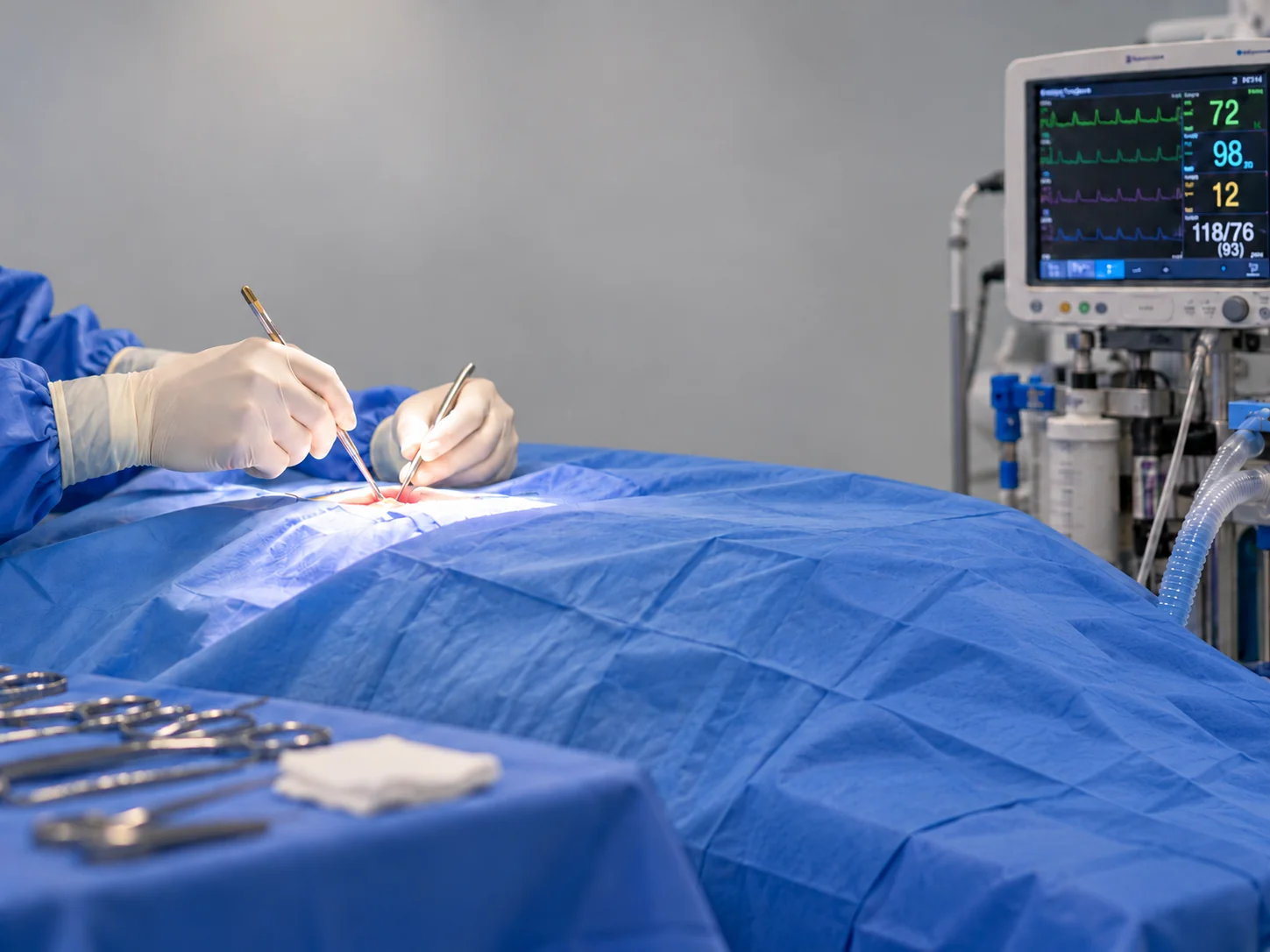
General-practice surgery includes routine and selected soft-tissue procedures such as desexing, removal or biopsy of some lumps, wound repair and other procedures that fit the clinic’s facilities and the patient’s needs.
Safe surgery is a continuum that begins with assessment and planning, continues through anaesthesia and monitoring, and includes pain control, recovery and follow-up.
Pre-anaesthetic assessment
Patient-specific anaesthetic planning
Pain relief and recovery support
Safe surgery involves much more than the operation itself
Patient assessment, an individual anaesthetic plan, appropriate monitoring, temperature support, pain relief and attentive recovery are all part of peri-operative safety. The plan changes according to the pet and the procedure.
Source: AAHA Anesthesia and Monitoring Guidelines (2020)When families often book this service
- A lump, wound, hernia or other condition may require surgery
- Your pet needs a routine procedure such as desexing
- A diagnostic biopsy or minor procedure is recommended
- You would like to discuss surgical and non-surgical options
What your visit may include
- A consultation and treatment estimate before planned surgery
- Pre-anaesthetic testing when appropriate for the patient
- Anaesthetic monitoring, sterile technique and pain management
- Discharge instructions covering food, medications, wound care and activity
Possible tests, treatment and next steps
- The team will discuss the reason for surgery, alternatives, likely benefits, important risks, expected recovery and an estimate.
- Pre-anaesthetic assessment and tests are tailored to the patient. Monitoring and support continue through recovery, when anaesthetic complications can still occur.
- Tissue may be sent to a laboratory for histopathology when knowing the diagnosis will change prognosis or follow-up.
Helpful things to bring or note
- Follow fasting and medication instructions
- Make sure the clinic can contact you during the day
- Prepare a quiet, secure recovery area
- Ask about the plan, risks, estimate (including any deposit required) and expected recovery before admission
Going home and follow-up
- Use an Elizabethan collar or recovery suit if instructed and keep the wound clean and dry.
- Restrict activity for the recommended period even if your pet appears comfortable.
- Call promptly for uncontrolled pain, repeated vomiting, bleeding, swelling, wound opening, breathing changes or marked lethargy.
Our clinic can perform routine and selected general-practice procedures. Orthopaedic, spinal, thoracic, highly invasive or high-risk procedures may be referred to a specialist hospital.
Active bleeding, open wounds, severe pain, breathing difficulty, a swollen abdomen or major trauma should be assessed urgently.
Questions owners often ask
Can every surgery be performed in general practice?
No. Complex orthopaedic, neurological, thoracic or other advanced procedures may be referred to a specialist.
Is anaesthesia risk-free?
No anaesthetic is completely risk-free. Assessment, appropriate monitoring and patient-specific planning are used to reduce risk.
When should I call after surgery?
Call whenever you are worried, especially for poor breathing, collapse, repeated vomiting, uncontrolled pain, bleeding, marked swelling or wound breakdown.
References
This information is general in nature. Your veterinarian will tailor recommendations to your pet after an examination.