
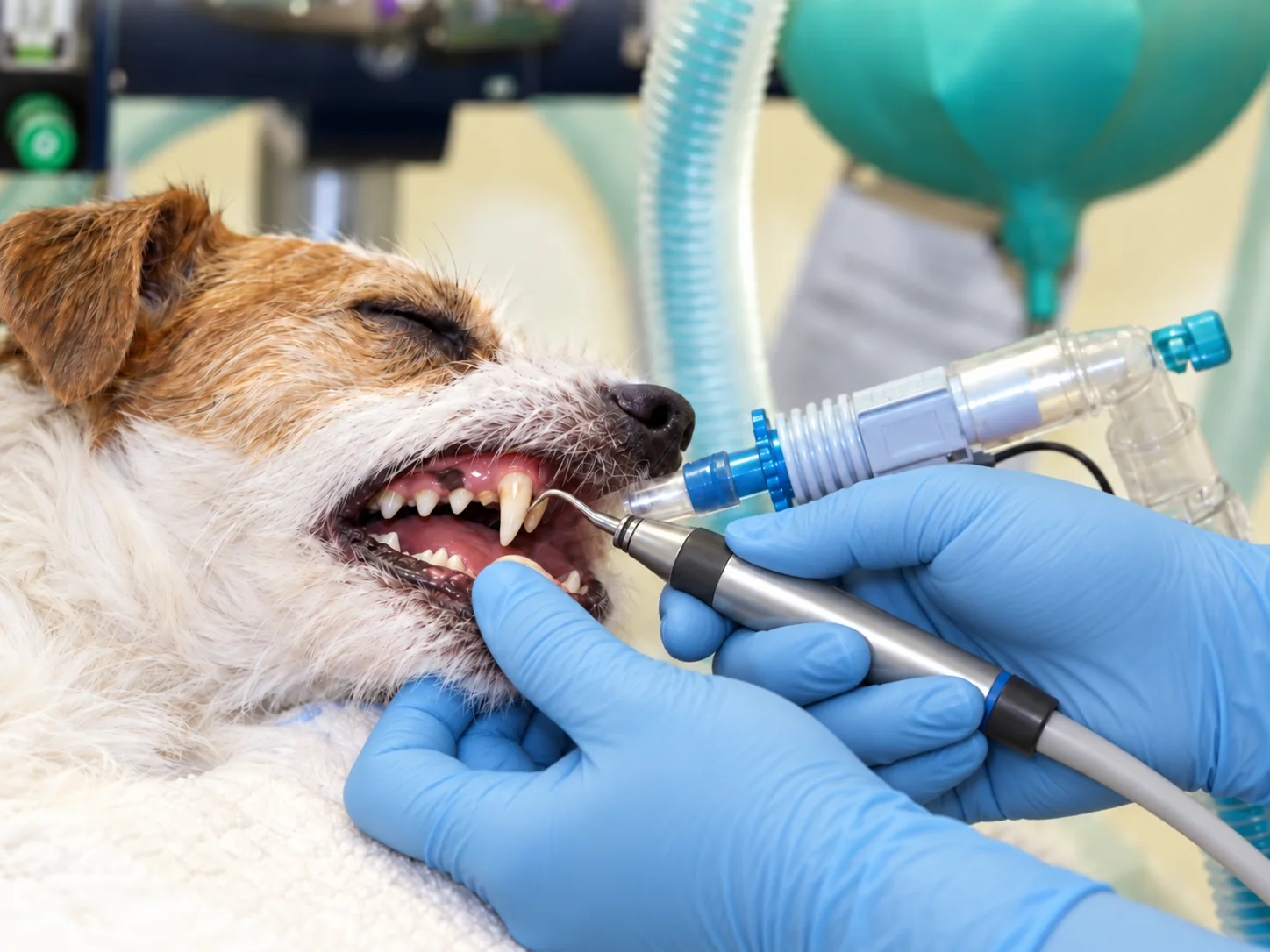
How oral care & dentistry may help
Dental disease often develops below the gumline, where it may not be visible during an awake examination. Gingivitis can progress to periodontitis, which damages the tissues supporting the teeth and can cause chronic pain.
A proper dental procedure involves anaesthesia, airway protection, examination of each tooth, cleaning above and below the gumline, polishing and treatment of diseased teeth. Dental radiographs are valuable where available because much of the tooth is hidden below the gum.
Dental examinations
Professional cleaning and extractions when required
Practical home-care advice
Dental disease starts earlier than many owners expect
WSAVA reports that periodontal disease is likely to affect at least 80% of dogs and 70% of cats by three years of age. Bad breath is not simply a normal part of ageing—it can be a sign of painful oral disease.
Source: WSAVA Global Dental CommitteeWhen families often book this service
- Bad breath, red or bleeding gums
- Difficulty chewing, dropping food or preferring soft food
- Loose, broken or discoloured teeth
- Facial swelling, pawing at the mouth or reduced appetite
What your visit may include
- An awake oral examination during consultation
- If a dental procedure is recommended, a general anaesthetic is used so the mouth can be examined and cleaned safely
- Dental X-rays may be recommended where indicated and available because much of each tooth lies below the gumline
- Pain relief and a clear discharge plan after treatment
Possible tests, treatment and next steps
- The team will provide an estimate based on the awake examination, while explaining that the full extent of disease may only be known once your pet is anaesthetised and the mouth is assessed thoroughly.
- Treatment may range from professional cleaning to extraction of painful or non-viable teeth. Pain relief and local anaesthetic techniques may be used as part of a multimodal plan.
- After healing, home care may include gradual daily tooth brushing and appropriately selected veterinary dental products.
Helpful things to bring or note
- It is best to wait for an assessment before brushing a painful mouth
- Ask the team which toothbrush, paste or dental product is suitable
- Follow fasting instructions carefully if a procedure is booked
Going home and follow-up
- Offer the recommended food texture, give medications exactly as directed and prevent chewing on hard objects during recovery.
- Check for bleeding, swelling, repeated pawing at the mouth, refusal to eat or worsening lethargy, and call if you are concerned.
- Begin home dental care only when the mouth is comfortable and the veterinarian advises it is safe.
Our team can assess and manage routine dental disease and extractions within the clinic’s equipment and experience. Advanced oral surgery, jaw disease or complex endodontic problems may require referral.
Facial swelling, uncontrolled oral bleeding, severe pain, trauma to the jaw or inability to eat or drink needs prompt assessment.
Questions owners often ask
Why is anaesthesia needed for a proper dental clean?
A complete examination, cleaning below the gumline and safe protection of the airway cannot be performed reliably in an awake pet.
Can dental chews replace brushing?
Some approved products may help, but daily tooth brushing is generally the most effective home-care method when your pet accepts it.
Are bones safe for teeth?
Very hard items can fracture teeth. Ask your veterinarian about safer options for your individual pet.
References
This information is general in nature. Your veterinarian will tailor recommendations to your pet after an examination.