
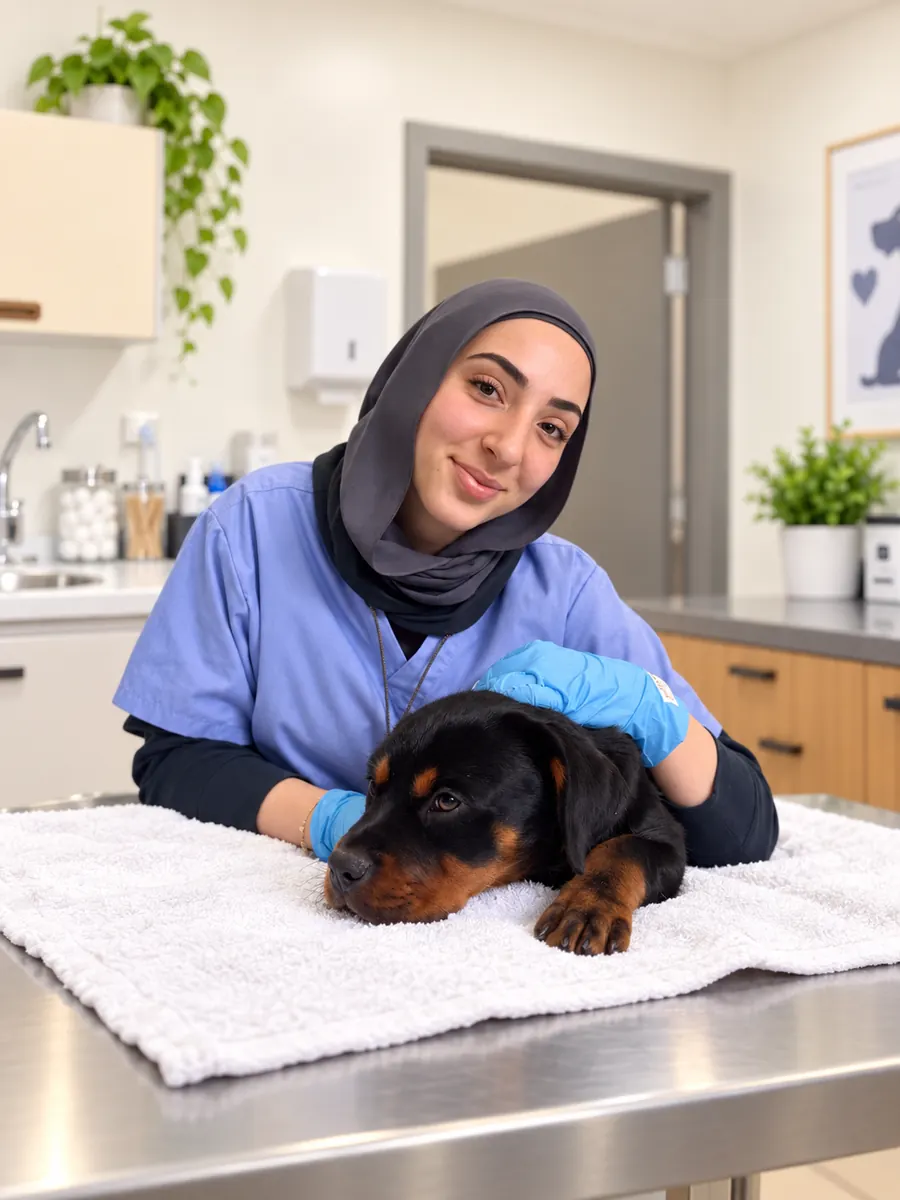
How vaccinations may help
Vaccination protects against important infectious diseases, but the recommended vaccine and timing depend on the individual animal. Core vaccines are broadly recommended, while non-core vaccines are selected after considering lifestyle, location, boarding, travel and exposure to other animals.
Puppies and kittens need a primary series because antibodies received from their mother can temporarily interfere with early vaccines. Adult revaccination intervals vary by vaccine, product information and risk assessment.
Puppy and kitten courses
Adult booster planning
Lifestyle-based non-core vaccination advice
The best vaccination plan is individual—not automatically annual for every vaccine
The 2024 WSAVA guidelines support core vaccination for dogs and cats, with non-core vaccines selected according to lifestyle and local disease risk. The annual health check remains important even when a particular vaccine is not due.
Source: WSAVA Vaccination Guidelines (2024)When families often book this service
- A puppy or kitten is starting or continuing its vaccination course
- An adult pet is due for a review or booster
- Your pet will board, attend classes, travel or mix with other animals
- Vaccination history is incomplete or unknown
What your visit may include
- A health check before vaccination
- Discussion of core vaccines and any non-core vaccines relevant to your pet
- A written record and advice about the next due date
- Guidance about normal mild reactions and when to seek help
Possible tests, treatment and next steps
- At the appointment, the veterinarian confirms that your pet is well enough to vaccinate and reviews previous records, lifestyle and future plans.
- The team will explain which components are recommended, when the next dose is due and whether boarding or travel requirements affect timing.
- Mild tiredness or tenderness can occur after vaccination. Severe allergic reactions are uncommon but require immediate veterinary attention.
Helpful things to bring or note
- Bring all previous vaccination records
- Tell the veterinarian if your pet is unwell or has reacted to a vaccine before
- Ask about timing before boarding or travel
Going home and follow-up
- Allow a quiet day and monitor for facial swelling, repeated vomiting, collapse, breathing difficulty or marked weakness. Seek urgent care if these occur.
- Keep the certificate and share it with boarding, training or grooming providers when required.
- Tell the clinic about any previous suspected vaccine reaction before future vaccination.
Routine vaccination and risk assessment are core general-practice services. Unusual immune-mediated concerns or complex travel requirements may need additional investigation or specialist advice.
Facial swelling, breathing difficulty, collapse or repeated vomiting after vaccination requires urgent veterinary attention. Mild tiredness or tenderness can occur, but contact the clinic if you are concerned.
The vaccinations we offer
The letters and numbers indicate how many diseases each vaccine covers. The details below explain each vaccine and the reasoning behind our recommendations.
Dogs
Protech C3
- Distemper
- Hepatitis (canine adenovirus)
- Parvovirus
Recommended for every dog, including dogs that live mainly indoors. These three diseases are severe, and parvovirus in particular can survive in the environment for long periods.
Protech C4 + Protech BB
- Everything in C3
- Parainfluenza
- Bordetella bronchiseptica
For dogs that mix with other dogs — boarding, daycare, grooming, training classes, dog parks. C5 adds cover for both main causes of canine cough and is commonly required by boarding facilities.
Protech C4 + Protech BB + C2i
- Everything in C5
- Leptospirosis — two strains
For dogs with rodent, farm, livestock, standing-water or floodwater exposure. The C2i component covers two leptospirosis strains, which is relevant in Sydney because the Australis serogroup has been reported as the most common cause of canine leptospirosis in NSW. Leptospirosis can cause kidney and liver failure and can also infect people, so where there is a genuine risk we recommend C7 rather than supplementing a smaller vaccine.
Cats
Fel-O-Vax 3
- Panleukopenia (feline enteritis)
- Herpesvirus
- Calicivirus
Recommended for every cat, including indoor cats. Cat-flu viruses and feline enteritis can be carried into the house on hands, shoes and bedding.
Fel-O-Vax FIV
- Feline immunodeficiency virus
For cats with outdoor access or contact with cats of unknown status. FIV is passed on mainly through bite wounds during fights. Kittens starting before 12 weeks of age do not need a blood test first; from 12 weeks the test is reliable, so one test is done before the course begins. The course is three injections 2–4 weeks apart, then a yearly booster with a test beforehand.
The vaccines your pet needs depend on age, vaccination history and lifestyle. The planner below provides a general guide, and the veterinarian will confirm the final product and timing at the appointment.
What vaccination may my pet need?
Answer a few questions about your pet to see the vaccination level most often suggested for pets with a similar age and lifestyle — C3, C5 or C7 for dogs, F3 or F3 + FIV for cats — along with what it protects against and the usual timing.
- 1Tell us about your pet
- 2See a suggested starting point
- 3Your vet confirms the final plan
Start with your pet’s details
You will see a suggested vaccination level, what it covers and the usual next step — a starting point to discuss with your vet.
Questions owners often ask
Do all pets need the same vaccines every year?
No. Core and non-core vaccine decisions and intervals are individualised using current guidelines, product information and your pet’s risk.
Can an unwell pet be vaccinated?
The veterinarian will assess whether vaccination should proceed or be postponed.
When can puppies safely socialise?
Safe, controlled socialisation is important early in life. Your veterinarian can explain how to balance disease prevention with positive social experiences.
References
This information is general in nature. Your veterinarian will tailor recommendations to your pet after an examination.