
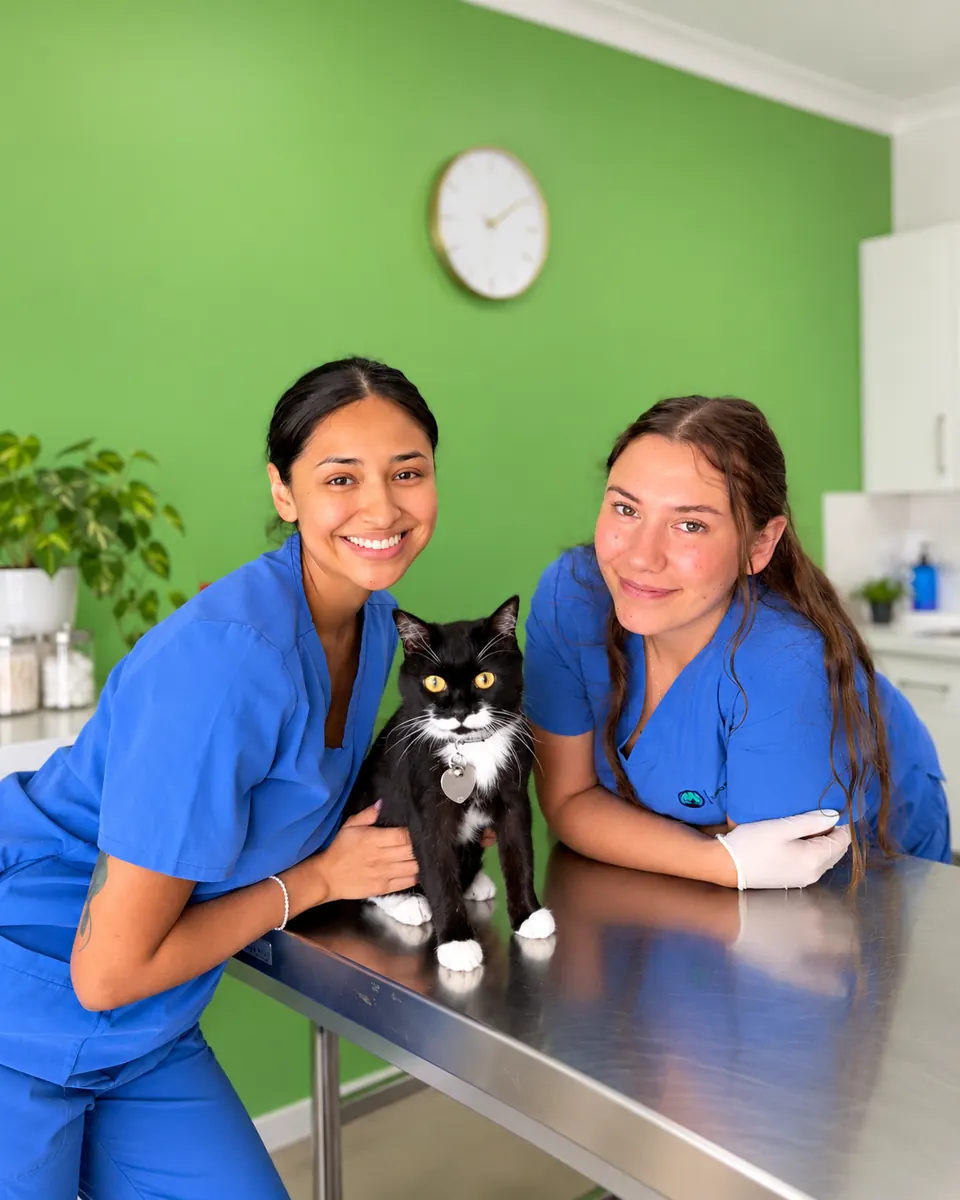
How cat grooming may help
Matting is a medical and welfare concern as well as a cosmetic one. Mats pull on the skin, trap moisture and debris, and can conceal wounds, infection, fleas and lumps. Cats that are painful, frightened or unaccustomed to handling often cannot be groomed safely while awake, and forceful restraint increases the risk of injury to both the cat and our staff.
Sedation allows the coat to be clipped in a single, calm session, with the skin examined throughout and any problems identified for treatment.
This is a veterinary procedure rather than a salon service. Every cat is examined first, sedation is chosen for that individual cat, and the same monitoring, warmth and recovery care used for any sedated patient applies here.
Performed under sedation only, never while awake
Veterinary examination and monitoring throughout
Full skin assessment once the coat is clipped
Reducing fear and stress is an essential part of good veterinary care
Cat-friendly handling guidelines note that forceful restraint increases fear, can make future visits more difficult and raises the risk of injury to cats and people. Where a procedure cannot be completed calmly, sedation is recommended as an appropriate option rather than a last resort. Sedation must always follow a veterinary examination and be accompanied by monitoring.
Source: AAFP/ISFM Cat Friendly Veterinary Interaction Guidelines (2022)When families often book this service
- Your cat has mats or a pelted coat that brushing at home can no longer manage
- Grooming attempts end in biting, scratching or a very distressed cat
- Your cat is long-haired and has stopped grooming itself properly
- An overweight, arthritic or senior cat can no longer reach its own back and hindquarters
- The coat is soiled, greasy or matted around the tail and hindquarters
What your visit may include
- A physical examination first, with age, weight, heart, breathing and known health conditions all taken into account
- A discussion of sedation, the risks for your individual cat, and whether pre-sedation blood testing is recommended
- Written consent, an estimate, and clear fasting and drop-off instructions before the day
- Clipping, nail trim and a full skin check while your cat is sedated and monitored by a nurse
- Treatment of any problems found beneath the coat, such as skin infection, fleas, wounds or sore areas, discussed with you beforehand
- Recovery in a warm, quiet space until your cat is fully awake and steady
Possible tests, treatment and next steps
- Some cats need medication for skin infection, fleas or pain identified once the coat is removed.
- Where matting has been severe, a short clip is usually kept rather than allowing the coat to re-mat, and a maintenance interval is suggested.
- If your cat has stopped grooming because of arthritis, dental pain, obesity or illness, we will recommend investigating the underlying cause as well as managing the coat.
Helpful things to bring or note
- Follow the fasting instructions provided at booking, as they are important for safe sedation
- Bring your cat in a secure, familiar carrier with bedding that smells like home
- Tell us about any medications, health conditions or previous reactions to sedation
- Let us know how far you would like the coat taken back, and whether nails should be trimmed
- Plan for your cat to spend part of the day with us rather than waiting in the clinic
Going home and follow-up
- Cats may be unsteady, quiet or mildly disorientated for the rest of the day. Keep them indoors, warm and away from stairs and heights until they are steady.
- A clipped cat loses insulation. Avoid cold rooms and outdoor access for the first few nights.
- Offer a small meal once your cat is fully awake, and water as normal.
- Contact the clinic if your cat will not eat the next day, seems painful, develops red or weeping skin, or remains unsteady.
- Begin gentle, regular brushing once the coat regrows to help reduce the need for further clipping.
This is grooming carried out for medical and welfare reasons under veterinary sedation — clipping, de-matting, nail trims and skin assessment. We do not offer grooming while cats are awake, cosmetic styling, or grooming without a prior veterinary examination. Cats with significant heart, kidney, respiratory or other illness may need that condition stabilised, or a modified plan, before sedation is appropriate.
Seek advice sooner if the skin under a mat is wet, red, foul-smelling, open or has maggots, if your cat is in obvious pain when touched, or if a normally fastidious cat has suddenly stopped grooming altogether — that change is often the first sign of illness rather than a coat problem.
Questions owners often ask
Which clinic offers cat grooming?
Cat grooming is offered at our Moorebank clinic only.
Can you groom my cat without sedation?
No. Cat grooming at our Moorebank clinic is done under sedation only. Restraining a frightened or matted cat while it is awake is unsafe for both the cat and the people handling it, and the procedure often cannot be completed.
Is sedation safe for my cat?
Sedation always carries some risk, and that risk is not the same for every cat. We examine your cat first, take age and health conditions into account, may recommend blood testing, and monitor throughout. For a severely matted or highly stressed cat, the risk of leaving the coat untreated usually outweighs the risk of planned, monitored sedation; this decision is made individually, in consultation with you.
Will my cat need a full clip?
Not always. If the matting is limited we can clip only the affected areas. Where the coat is pelted across the body, a full clip is generally the most humane option, as pelted fur cannot be brushed out without causing pain or skin injury.
How long will it take and will my cat stay all day?
Most cats are admitted in the morning and go home the same day once they are properly awake. The grooming itself is usually brief; most of the visit is spent on examination, sedation and recovery.
Do you groom dogs as well?
This service is for cats. Dogs requiring clipping under sedation for medical reasons are assessed individually; please contact the clinic to discuss.
How do I stop it happening again?
Short, frequent brushing sessions are generally more effective than occasional long ones, and a shorter maintenance clip makes home care more manageable. If your cat has stopped self-grooming because of arthritis, dental pain or weight, addressing that underlying cause is the most important step.
References
This information is general in nature. Your veterinarian will tailor recommendations to your pet after an examination.