
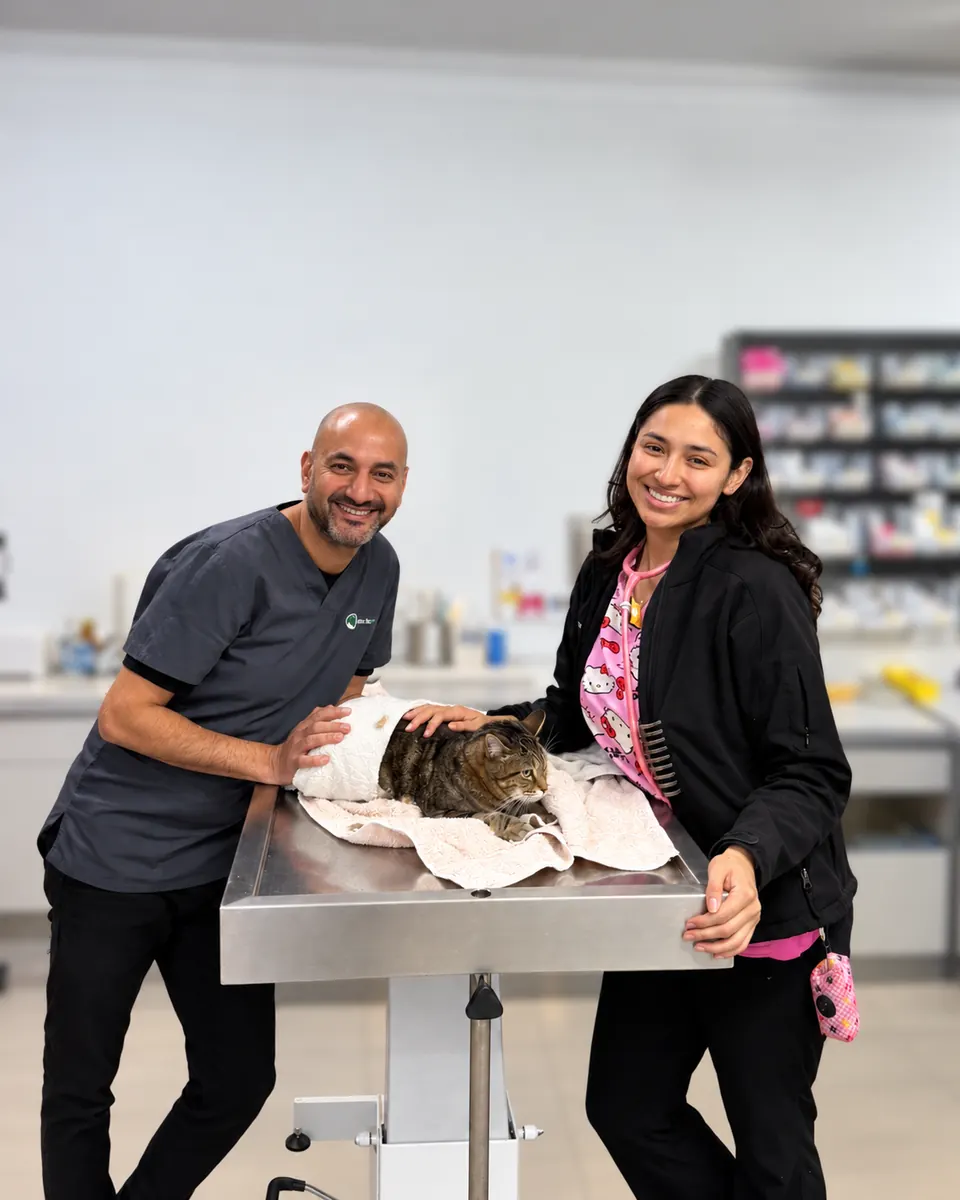
How blood tests may help
Blood tests can help assess red and white blood cells, platelets, hydration, electrolytes and markers associated with organs such as the liver and kidneys. They are most useful when interpreted together with the history, physical examination and other tests.
A normal result does not exclude every condition, and an abnormal result does not always identify one diagnosis. Trends over time can be as important as a single number.
Illness investigation
Pre-anaesthetic assessment
Monitoring of chronic conditions and medications
Trends can be more useful than one isolated result
Blood testing is a snapshot. Comparing current results with previous values—and interpreting them alongside your pet’s history, examination and other tests—can reveal meaningful change before it becomes obvious at home.
Source: AAHA Senior Care Guidelines for Dogs and Cats (2023)When families often book this service
- Your pet is unwell, lethargic, losing weight or drinking more
- A veterinarian recommends pre-anaesthetic screening
- An ongoing condition or medication needs monitoring
- A baseline health profile may be useful for an older pet
What your visit may include
- The sample is usually collected from a vein in the neck or leg
- Some tests may be run in-clinic and others sent to an external laboratory
- Results may be available the same day or later, depending on the test
- Your veterinarian will explain what the results mean in the context of your pet
Possible tests, treatment and next steps
- Your veterinarian will explain which results are important, whether they fit the clinical picture and whether any values may be affected by age, stress, fasting, medication or sample quality.
- Depending on the question, next steps may include urine testing, blood pressure, imaging, repeat bloodwork, a specialised laboratory test or treatment with a planned response check.
- Urgent abnormalities may require same-day treatment, hospitalisation or referral.
Helpful things to bring or note
- Ask whether fasting is required; please continue normal feeding for very young, diabetic or unwell pets unless the clinic advises otherwise
- Tell us about all medications and supplements
- Keep your pet calm and safely restrained for travel
Going home and follow-up
- Follow any medication, diet or recheck instructions and ask when results will be discussed.
- Please speak with the veterinarian managing the case before making any changes to prescribed medication.
- Contact the clinic if your pet becomes weaker, stops eating, vomits repeatedly, develops breathing difficulty or deteriorates while results are pending.
Many routine blood tests can be performed or initiated in general practice. Highly specialised testing may be sent to an external laboratory or coordinated with a referral service.
Contact the clinic urgently if your pet is weak, pale, bleeding, collapsing, having trouble breathing or deteriorating quickly.
Questions owners often ask
Can one blood test diagnose everything?
No. Blood tests provide important clues but may need to be combined with urine tests, imaging, repeat testing or other investigations.
Will it hurt?
Most pets tolerate collection well. Our team uses gentle handling and may recommend extra support for anxious or reactive pets.
Why repeat a test?
Repeating a test can confirm an unexpected result or show whether a condition is improving, stable or worsening.
References
This information is general in nature. Your veterinarian will tailor recommendations to your pet after an examination.