
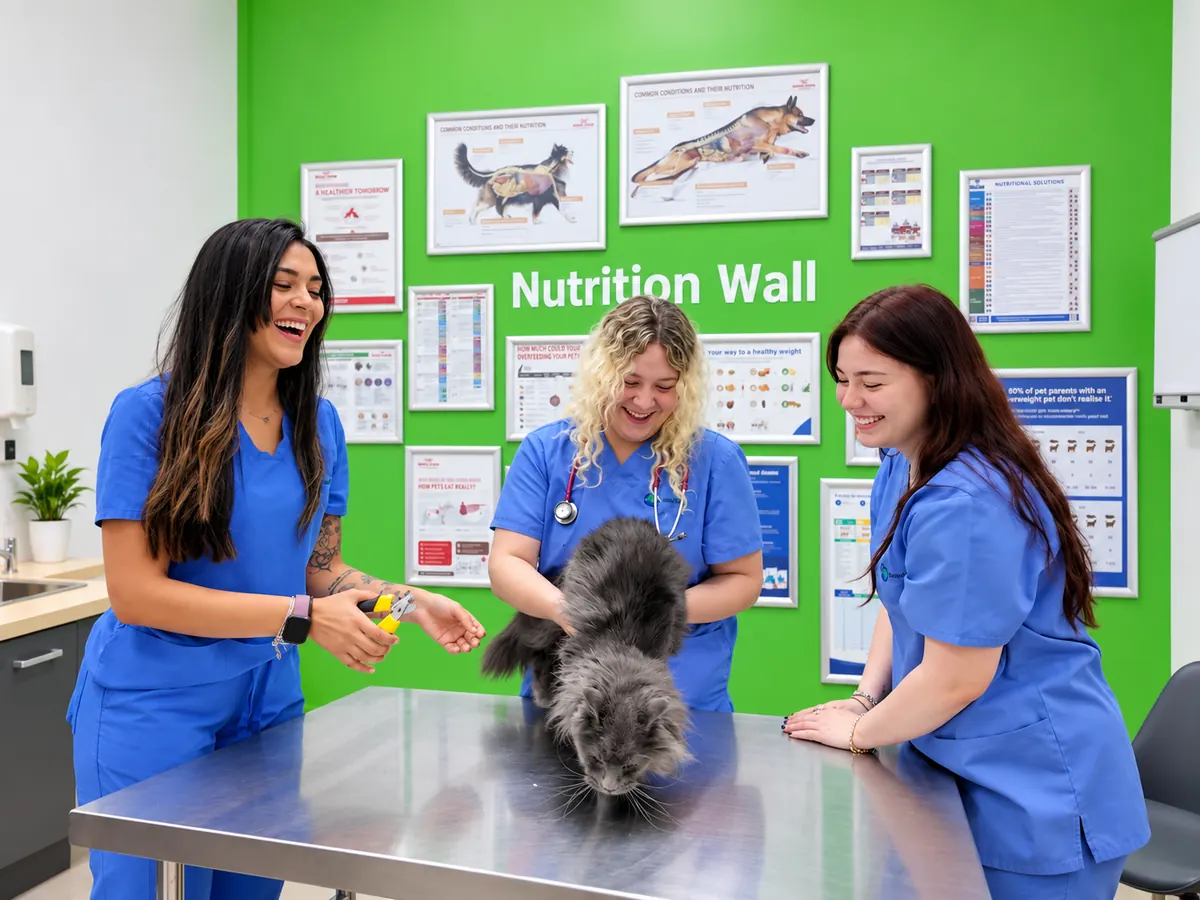
How nutrition & weight management may help
Nutrition is part of healthcare, not simply a product choice. A useful plan considers species, life stage, breed or size, body and muscle condition, activity, environment, treats, medications and any current disease.
Our team can turn this information into clear feeding instructions that are realistic at home. This may include maintaining a healthy weight, supporting safe growth, managing age-related change or using an appropriate veterinary diet as one part of a broader treatment plan.
Hill’s and Royal Canin both provide complete diets across life stages and veterinary ranges. Brand selection is only one part of the process—the right product, measured amount, transition, monitoring and recheck plan all matter.
Nutrition and feeding-history assessment
Body and muscle condition review
Practical written feeding and monitoring plan
Nutrition is considered a vital part of every health assessment
WSAVA and AAHA guidance supports regular nutritional assessment, including body condition and muscle condition, so feeding advice can be individualised throughout a pet’s life rather than waiting until weight or disease becomes an obvious problem.
Source: WSAVA Global Nutrition Guidelines and AAHA Nutrition GuidelinesWhen families often book this service
- You are unsure how much or what type of food to feed
- Your pet is gaining or losing weight unexpectedly
- A puppy, kitten or senior pet needs a life-stage feeding review
- Your pet has a condition that may benefit from a veterinary diet
- You use a home-prepared, raw, mixed or highly restricted diet
- Treats, table food, supplements or multiple feeders make portions difficult to track
What your visit may include
- A discussion about the exact foods, treats, chews, supplements and medications your pet receives
- Weight, body condition and muscle condition assessment, together with relevant health and lifestyle factors
- A practical plan covering food choice, measured amount, meal frequency, treat allowance, transition and follow-up
- Where appropriate, discussion of Hill’s or Royal Canin products that match the clinical goal and your household’s needs
Possible tests, treatment and next steps
- The team may confirm the current food is suitable and simply improve portions, treats and monitoring.
- A new complete diet may be recommended for life stage, weight management or a specific health goal, with a transition schedule and daily amount.
- Pets with unexplained weight change or clinical signs may need examination, blood or urine testing, imaging or other investigation before the diet is changed.
- A follow-up weight, body-condition and muscle-condition review helps determine whether the plan is working and whether portions need adjustment.
Helpful things to bring or note
- Photograph the front, back and feeding guide of every food package you currently use
- Record the amount fed over a typical day, including treats, chews and table food
- Bring a list of supplements and medications
- Note appetite, stool quality, vomiting, activity and recent weight change
- Please continue your pet’s usual feeding unless the clinic gives you different instructions, especially for young, diabetic or unwell pets
Going home and follow-up
- Measure food consistently using grams where possible, rather than relying only on cups or visual estimates.
- Keep treats and extras within the allowance in the written plan and make sure everyone in the household follows the same approach.
- Change food gradually unless the veterinary team instructs otherwise.
- Record appetite, stools, vomiting, weight, body shape and any new symptoms, then attend the recommended recheck.
Evidence-led plans with trusted diet ranges
Vets for Pets works with Hill’s and Royal Canin. Both offer life-stage foods and veterinary ranges. A brand logo is not a substitute for assessment—the team still selects a diet and feeding amount according to the individual pet, clinical goal and what the household can use consistently.

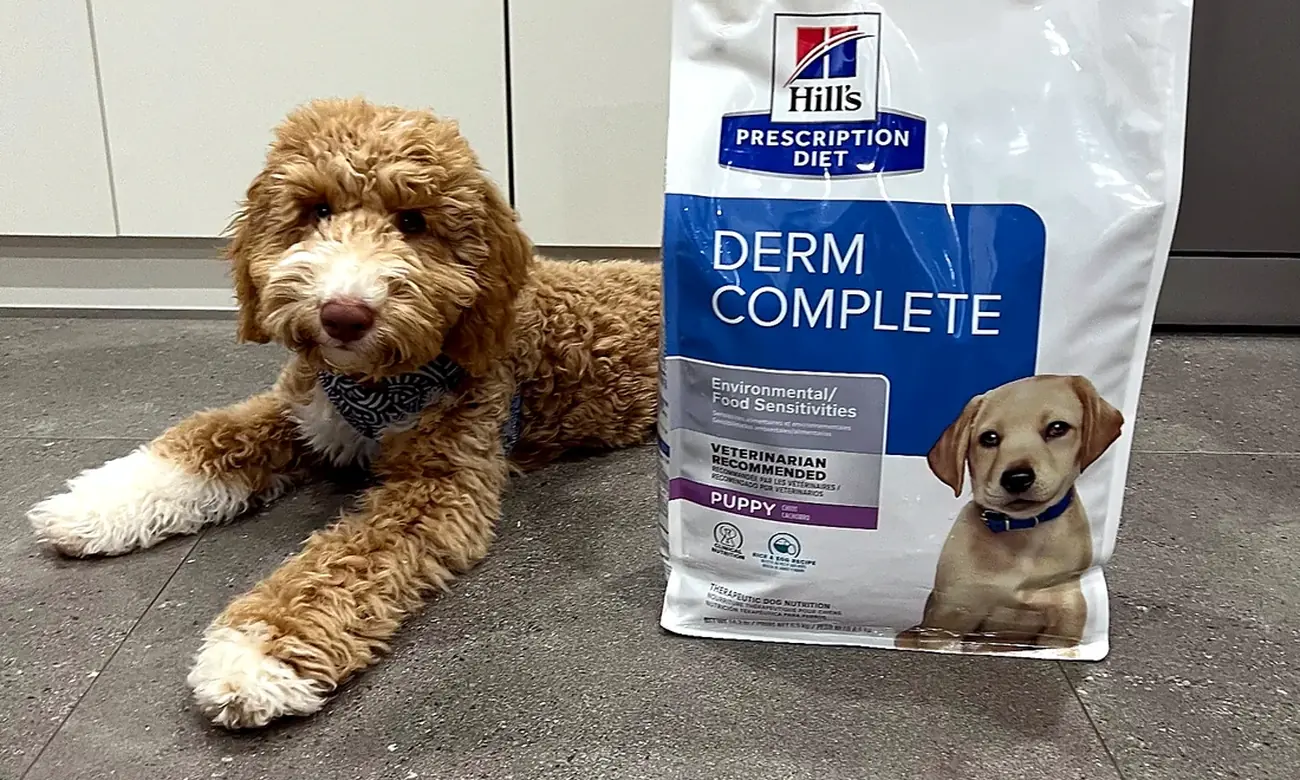
Hill’s Pet Nutrition
Explore Hill’s Australian food finder by species, life stage, size and selected health categories. Prescription Diet products are best used with veterinary guidance.
Open Hill’s Food FinderRoyal Canin
Royal Canin’s Australian food finder asks about your pet and provides product suggestions, including life-stage and selected health-focused ranges.
Open Royal Canin Food FinderOur general-practice team can perform nutritional screening, body and muscle condition assessment, healthy-weight planning, life-stage advice and many therapeutic-diet reviews. Complex multi-disease cases, severe malnutrition or complete home-prepared diet formulation may require referral to a veterinary nutrition specialist.
Contact a veterinarian promptly if your pet refuses food, vomits repeatedly, cannot keep water down, becomes weak, loses weight rapidly or has a known medical condition and suddenly stops eating. Cats, very young animals and medically fragile pets can deteriorate quickly.
Questions owners often ask
Will you recommend only one food brand?
No. Recommendations are based on your pet’s nutritional and medical needs, product suitability, availability, feeding preference and what your household can use consistently. Vets for Pets works with Hill’s and Royal Canin, but the plan still needs to suit the individual patient.
Can the website calculate my pet’s exact diet?
The online tool creates a consultation brief, not a prescription. Exact energy needs and therapeutic-diet choices should be confirmed after assessment because illness, body condition, growth, activity and medications can change the plan.
Can you create a home-prepared diet?
We can review the feeding history and identify concerns. Complete home-prepared diets often require formulation by a veterinarian with advanced nutrition training so that essential nutrients are not missed.
How quickly should I change foods?
For many stable pets, a gradual transition over several days may reduce gastrointestinal upset. Some medical situations require a different approach, so follow the plan provided for your pet.
References
This information is general in nature. Your veterinarian will tailor recommendations to your pet after an examination.